

Can dogs eat ice cream? While a small lick of plain vanilla ice cream is unlikely to harm most healthy dogs, traditional ice cream isn't an ideal treat for them. Many dogs struggle to digest lactose, and the high sugar and fat content can cause digestive problems. Some flavours also contain ingredients that are best to stay away from.
Fortunately, there are plenty of dog-friendly frozen alternatives, including ice creams made specifically for dogs, so they don't have to miss out on the fun.
What this article covers
Is Dairy Ice Cream Bad for Dogs?
Can Dogs Eat Vanilla Ice Cream?
What Ice Cream Flavours Are Dangerous for Dogs?
Why Fatty Ice Cream Can Lead to Pancreatitis
What Ice Cream Can Dogs Eat?
Keeping Your Dog Comfortable in Hot Weather
Is Dairy Ice Cream Bad for Dogs?
One of the main concerns is lactose. Puppies produce plenty of lactase, the enzyme that breaks down the sugar in milk, but many produce less as they mature. Without enough lactase, lactose passes through undigested and ferments in the gut, which can cause gas, discomfort or diarrhoea.
Ice cream also tends to be high in fat and sugar, which can cause further digestive problems. Some dogs tolerate dairy better than others, but it's best to avoid giving dogs traditional ice cream.
Can Dogs Eat Vanilla Ice Cream?
Vanilla is often considered one of the safer flavours, and it's certainly less risky than chocolate or coffee. However, most traditional vanilla ice creams still contain lactose, sugar and fat, and some brands use artificial or alternative sweeteners. If your dog eats some, check the ingredients for anything toxic, particularly xylitol. Even if it's free from anything toxic, you'll still want to keep an eye on them in case it upsets their stomach.
What Ice Cream Flavours Are Dangerous for Dogs?
Xylitol and Sugar-Free Ice Cream
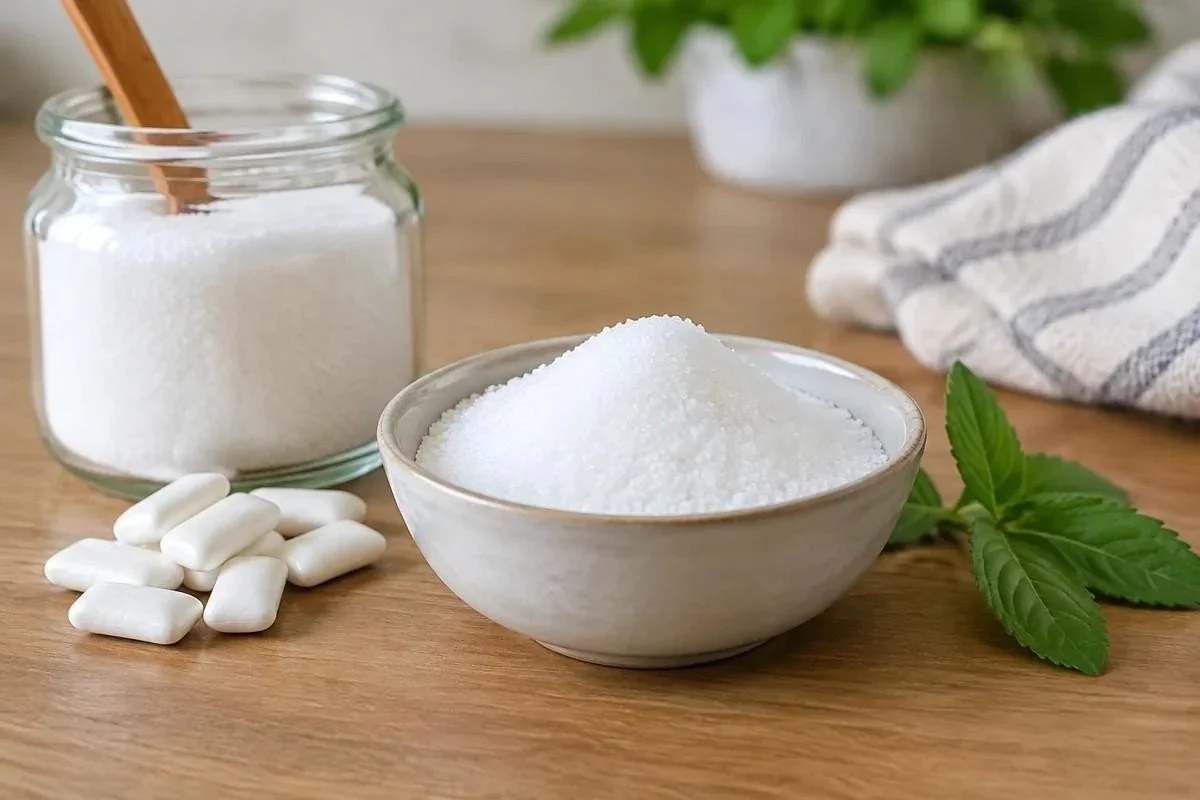
Check the label of any sugar-free ice cream before it goes anywhere near your dog. Some sugar-free and reduced-sugar products contain xylitol, which is a big no-no for dogs. Even a small amount of xylitol can cause a dangerous drop in blood sugar, leading to weakness, vomiting or collapse, and sometimes liver damage. It can appear on labels as xylitol, birch sugar or E967. If your dog does eat some, call your vet straight away, even if they seem completely fine. You'll find other everyday foods to keep out of reach in the PDSA's guide to poisons and hazards.
Chocolate, Macadamia Nuts, and Coffee
Chocolate, macadamia nuts and coffee are all toxic to dogs, so any flavour that contains them is not suitable for dogs. Dogs process theobromine, the stimulant in chocolate, very slowly, which can lead to restlessness, vomiting, an elevated heart rate and, in some cases, seizures. Macadamia nuts can leave a dog weak and feverish, while caffeine overstimulates the heart and nervous system.
Additional ingredients can also pose risks. Cookie dough, brownie pieces and nut swirls can contain harmful ingredients, and raisins and any alcohol should be avoided completely. If you'd like to check anything else, Blue Cross keeps a fuller list of foods that are poisonous to dogs.
Why Fatty Ice Cream Can Lead to Pancreatitis
Even ice cream without toxic ingredients can cause problems because of its high fat content. In susceptible dogs, fatty foods can trigger pancreatitis, a painful inflammation of the pancreas that often needs veterinary treatment. Look out for repeated vomiting, abdominal pain, lethargy or a sudden loss of appetite.
Some dogs are more prone to it than others, including those who've had pancreatitis before, overweight dogs and breeds like Miniature Schnauzers. If you notice any of these signs after a fatty treat, give your vet a call.
What Ice Cream Can Dogs Eat?
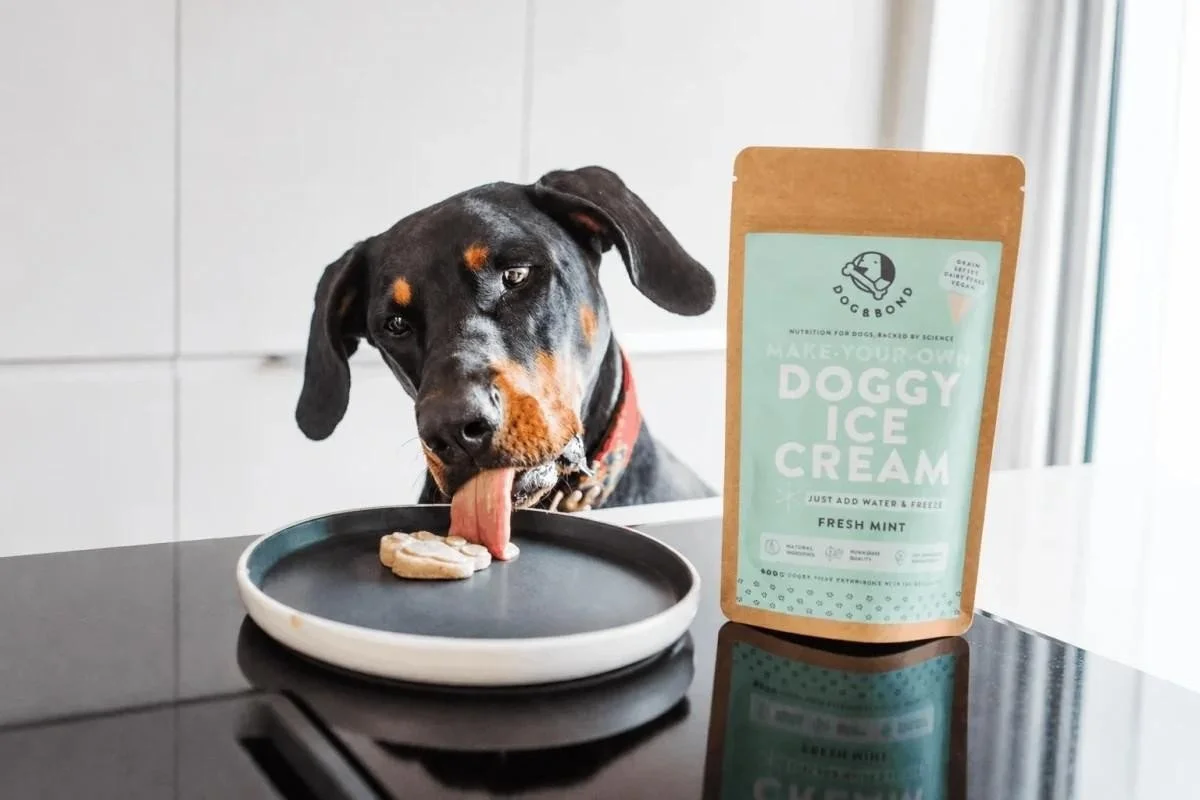
The best ice cream for a dog is one made with dogs in mind. At Dog & Bond, we believe that making treats for your dog should be part of the fun. Our doggy ice cream mixes are designed to create enjoyable moments together, whether it's a sunny afternoon in the garden or a special celebration.
Our ice cream mixes use simple, recognisable, human-grade ingredients. Strawberry Bliss is made with coconut milk, tapioca and strawberry, and Fresh Mint swaps the strawberry for mint and parsley. Both are dairy-free and grain-free, and each pack fills more than three ice cube trays. Our Peanut Butter mix contains yoghurt powder, so it's better suited to dogs who can tolerate a bit of dairy.

How to Make Our Doggy Ice Cream at Home
Combine the mix with water, using the amount on the pack.
Stir until it's smooth.
Pour into an ice cube tray or one of our paw-shaped silicone moulds.
Freeze for a couple of hours until the mixture is firm.
Serve a sensible portion as an occasional treat, with a bowl of fresh water close by.
Making doggy ice cream is a simple activity that children can get involved in, too. You can also customise the treats with small pieces of plain, cooked meat or fish, provided they're suitable for your dog and free from bones, seasoning and other harmful ingredients.
Keeping Your Dog Comfortable in Hot Weather
A frozen treat is a nice extra on a hot day, but the basics come first. Keep fresh water available throughout the day, make sure there's shade where your dog can rest and save walks for the cooler early morning or evening. Before you head out, press the back of your hand to the pavement for a few seconds. If it's too hot for you, it's too hot for your dog's paws.
Plenty of dogs love water play, so a shallow paddling pool or a sprinkler in the garden gives them a way to cool off at their own pace.
For warm walks, our friends at Pink Papyrus make a collapsible water bowl that packs neatly into a bag, so you can stop for a drink in the shade wherever you are. Christine started the brand after spotting a gorgeous dog on a very ugly lead. Wanting something more stylish, she created Pink Papyrus to design fun collars, harnesses and leads.
Keep an eye out for heavy panting, drooling, slowing down or stumbling, because they can all be signs of overheating or heatstroke. If you spot them, move your dog into the shade straight away and begin cooling them immediately by pouring cool, not ice-cold, water over their body, taking care to keep water away from their nose and mouth. Use a fan or breeze to help with cooling, and contact your vet urgently.
Frequently asked questions
Is dairy ice cream okay for puppies, since they can digest milk?
It's still best to skip it. Puppies digest lactose more easily than adult dogs, but the sugar, fat and sometimes harmful sweeteners in human ice cream make it an unsuitable treat. Choose a puppy-friendly alternative instead.
Will a frozen treat keep my dog hydrated on a hot day?
Not on its own. A frozen treat is a nice extra, but your dog still needs plenty of fresh water, so keep a bowl out whenever you serve one.
My dog has had pancreatitis before. Can they try a dog-safe ice cream?
Have a chat with your vet first. Dogs with a history of pancreatitis need extra care with any new treat, and your vet can tell you whether it's suitable and how much to give.
Is sorbet or an ice lolly safer for my dog than ice cream?
Not necessarily. Although many sorbets and ice lollies are dairy-free, they can contain high levels of sugar or ingredients like xylitol that are toxic to dogs. A dog-safe frozen treat or a little plain ice, offered safely, is a better choice.